

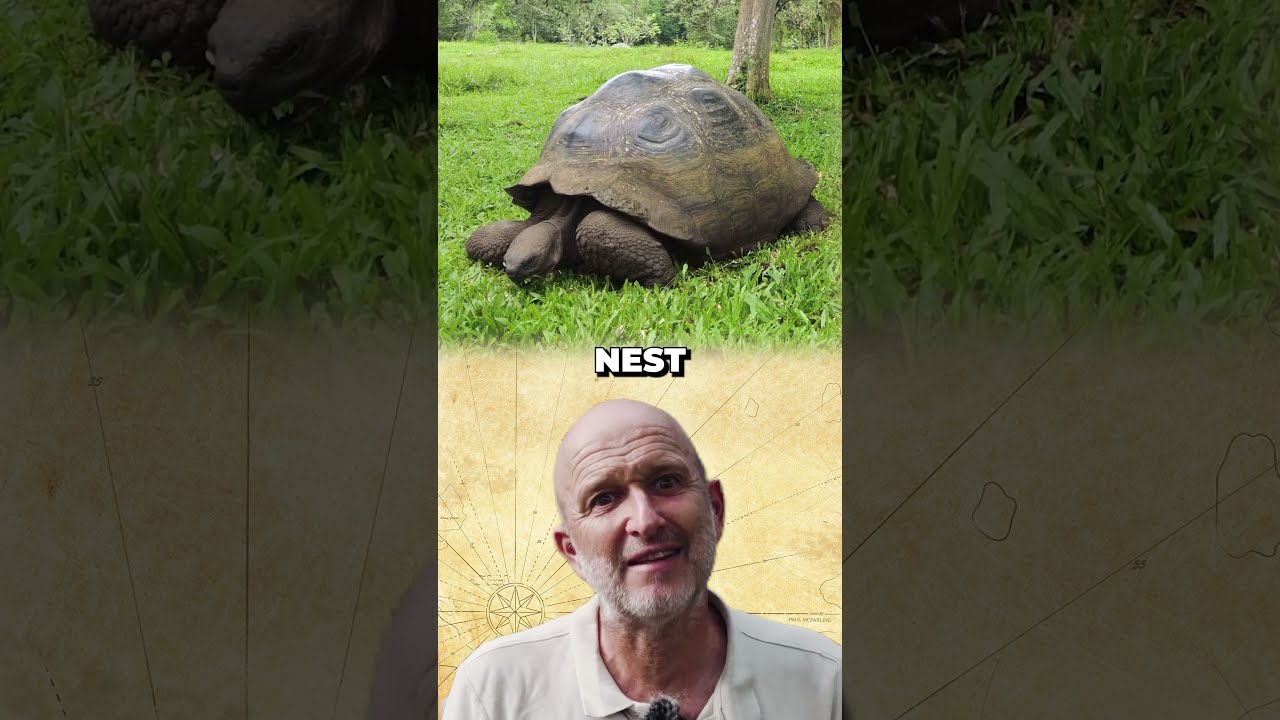
Why Do Giant Tortoises Suddenly Head Downhill?
During the cooler dry season, many giant tortoises stay in the highlands where there’s more moisture and food. But when the first heavy rains hit the lowlands, fresh vegetation appears almost immediately, and the tortoises begin moving downhill toward new feeding, breeding and nesting areas. ______________________________________________________________________ Planning a trip to the Galápagos Islands? 🏝️ Paul McFarling is a Galápagos guide and tour organiser with over 30 years of experience helping travellers explore the islands, wildlife, landscapes, and natural history of this extraordinary destination. Since 1992, he has worked with leading cruise and tour operators across the Galápagos and now organises personalised adventures for private travellers, families, student groups, alumni groups, and educational expeditions. Whether you are planning your first visit or looking for expert guidance on creating the right itinerary, Paul can help you make the most of your time in the Galápagos. 📍 Plan your Galápagos adventure: paulmcfarling.com ✉️ Contact Paul: info@galapex.com Subscribe for more Galápagos wildlife, island insights, travel advice, and stories from over three decades of guiding.