
Transatlantic Cruises Are NOTHING Like Normal Cruises - Here’s Why
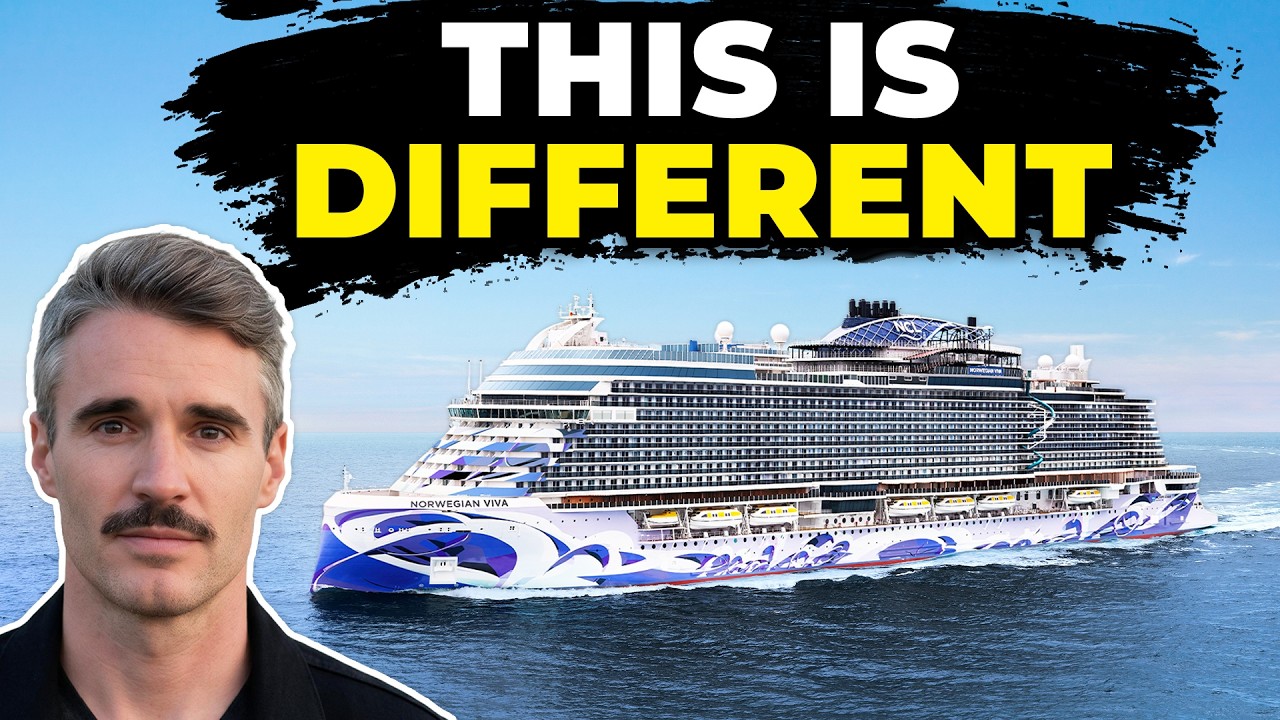
Transatlantic cruises are nothing like normal cruises—because weeks at sea completely change what matters onboard. 🔴 Subscribe to Elevate Motor Co Travel and follow our upcoming back-to-back transatlantic cruise experiment ➡️ https://www.youtube.com/@ElevateCruiseCo?sub_confirmation=1 ⭐️ Join our free travel newsletter so you don’t miss the next cruise breakdown ➡️ https://www.elevatemotorco.com/newsletter ============================= Watch Next ========== 🎬 More firsthand cruise comparisons and travel breakdowns ➡️ https://youtu.be/q9NWduaRhbw ⏰ Timecodes ⏰ 0:00 - Why Transatlantic Cruises Are Different 0:23 - The Ship Test 1:55 - Day 10 Changes Everything 4:04 - Cabin Problems Grow 6:03 - Food Fatigue 8:11 - Entertainment Depth 9:58 - The Clock Problem 11:55 - You Start Living There 13:18 - Should You Book One? =========================== Here are the ways to work with us here at Elevate Motor Co Travel: ================================================================== #TransatlanticCruise #CruiseTravel #RepositioningCruise #CruiseTips #SeaDays A transatlantic cruise might look like a normal cruise stretched to two weeks—but after crossing the Atlantic on both Norwegian Cruise Line and MSC, we learned that long cruises pressure-test almost everything about a ship. Ports can hide weaknesses on a typical port-heavy itinerary. Several consecutive sea days can’t. Once you’ve been onboard long enough, the flashy things that impressed you on embarkation day start mattering less, while seemingly boring details like comfortable seating, reliable Wi-Fi, cabin location, dining variety, entertainment depth, and even good coffee become much more important. In this video, we break down what a transatlantic cruise is actually like and why spending two weeks at sea changes the way you judge a cruise ship. We talk about cabin problems that compound over time, why food has to survive repetition, how entertainment changes when there are multiple sea days in a row, and what happens when you gradually cross five, six, or seven time zones instead of flying across them all at once. You’ll also hear our firsthand experiences from MSC and Norwegian Cruise Line, including what surprised us on MSC Divina, what we miss about NCL entertainment, why freestyle dining can become more valuable on a long crossing, and why the “best” cabin category may matter less than simply choosing a cabin location you can tolerate by Day 12. Most importantly, we explain who may love a transatlantic cruise—and who should probably avoid one. And this is only the beginning. We’re about to put these lessons through an even bigger real-world test with two back-to-back transatlantic cruises: a 16-night eastbound Atlantic crossing followed shortly afterward by a 17-night westbound crossing. That’s roughly 33 days at sea, giving us a chance to see how the ship, food, routines, time-zone changes, cabins, and cruise experience hold up over the long haul. In this video, you’ll learn: • Why consecutive sea days expose cruise-ship weaknesses • What matters more by Day 10 than embarkation day • Why cruise cabin location becomes critical on longer sailings • How dining variety affects a two-week cruise • Why entertainment needs depth on a transatlantic crossing • How gradual time-zone changes affect sleep and meals • Why a cruise ship eventually starts feeling like a temporary community • Whether a transatlantic cruise is actually right for you Our mission at Elevate Motor Co Travel is to help travelers create 5-star cruise and travel experiences on a 1-star budget—not by always choosing the cheapest option, but by understanding where your money, time, and effort actually improve the trip. Disclaimer: This video reflects our personal travel experiences and opinions. Cruise itineraries, onboard offerings, dining, entertainment, pricing, policies, and ship experiences can change over time and may vary by sailing.